


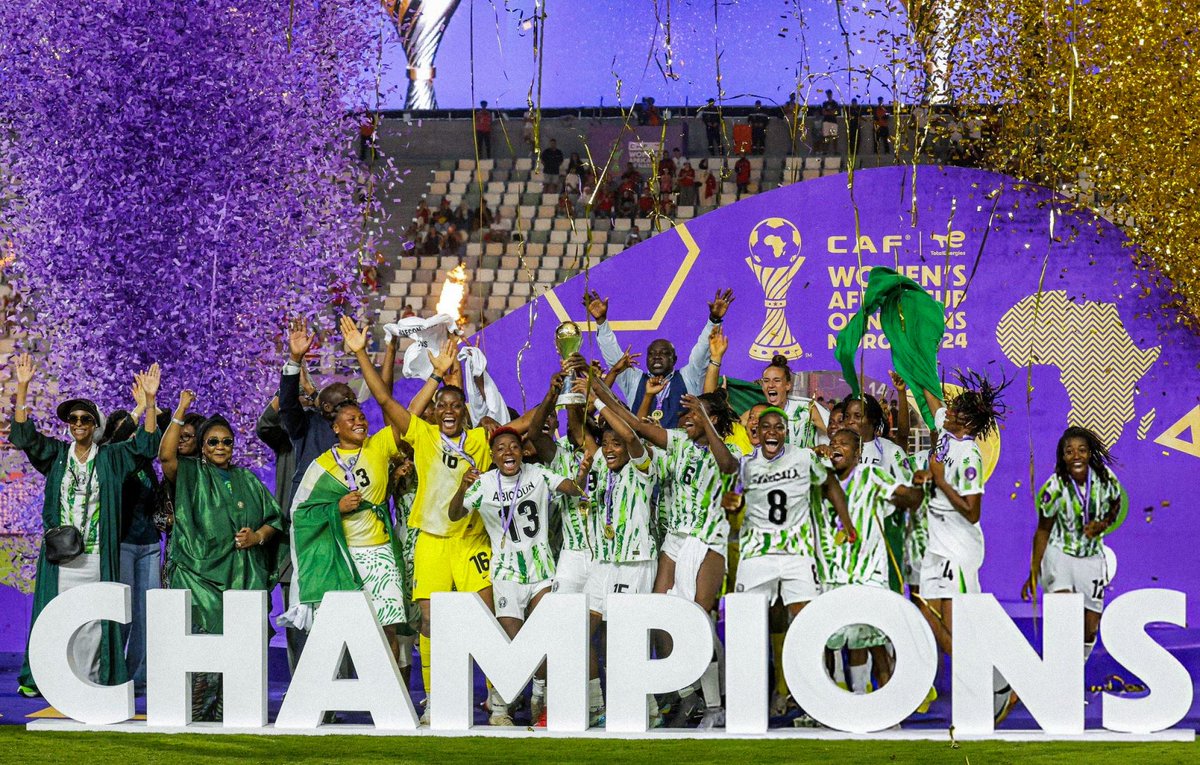
When the Nigerian Super Falcons lifted their 10th Women’s Africa Cup of Nations (WAFCON) trophy after a hard-fought 2-3 victory over Morocco, it wasn’t just another championship; it was the latest chapter in a legacy that has defined women’s football on the continent for over three decades.
The Rise of the Falcons: 1991 and the First Crown
It all began in 1991. The inaugural African Women’s Championship saw Nigeria rise like a phoenix, defeating Cameroon 6-0 on aggregate to claim the first-ever title. Led by trailblazers like Florence Omagbemi and Ngozi Ezeocha, the Super Falcons became instant legends.
That same year, they also became Africa’s first representatives at the FIFA Women’s World Cup in China. The message was loud and clear: Nigeria had arrived.
Dominance Sealed: 1995–2006
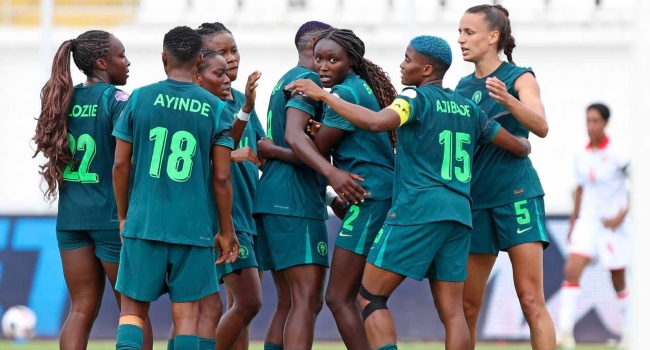
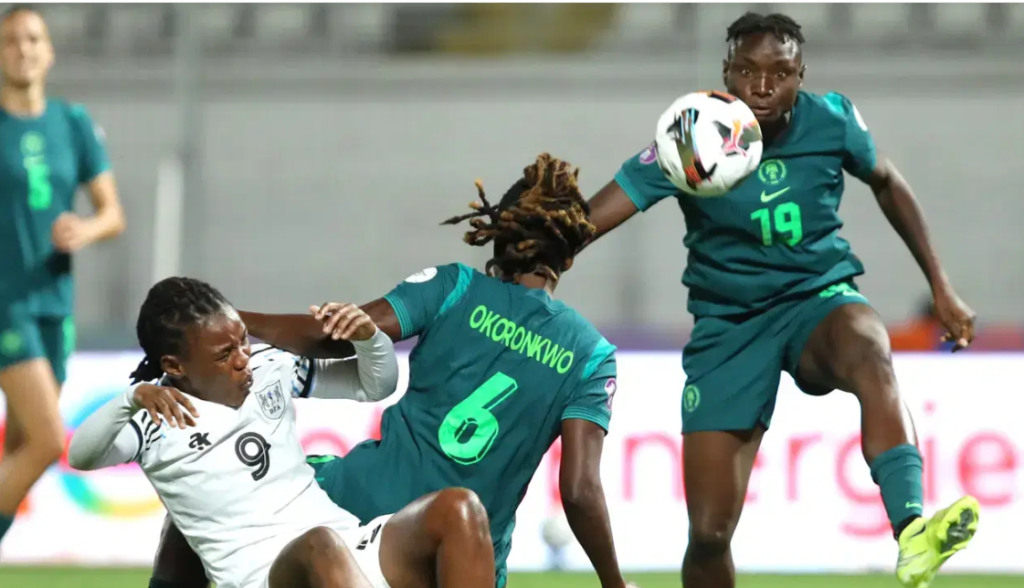
Between 1995 and 2006, Nigeria asserted complete dominance, winning six consecutive WAFCON titles. Names like Mercy Akide, Perpetua Nkwocha, and Nkiru Okosieme became synonymous with goals, grace, and grit.
Their 2003 triumph in South Africa was a spectacle, as they beat Cameroon 5-0 in the final, with Nkwocha netting four goals and stamping her authority as Africa’s top striker.
By the time they lifted their seventh title in 2006, Nigeria wasn’t just the best in Africa; they were the standard.
Challenges and a Wake-Up Call: 2008
In 2008, Equatorial Guinea shocked the continent by defeating Nigeria in the semifinals and winning the title. It was the first time the Falcons had not made it to the final. The defeat sparked national soul-searching and exposed the need for investment, structure, and respect for women’s football.
Resilience and Rebirth: 2010–2018: The Falcons bounced back in style.
2010: Revenge was sweet. Nigeria defeated Equatorial Guinea 4-2 in the final, reclaiming their crown.
2014: They repeated the feat with flair, defeating Cameroon 2-0 in Namibia.
2016: Another win against Cameroon in Yaoundé’s intimidating stadium showed their mental toughness.
2018: In a nerve-wracking final against South Africa, Nigeria held on through penalties to clinch their ninth title.
Coach Thomas Dennerby, alongside Asisat Oshoala and Onome Ebi, led a team that fused experience with youthful energy.
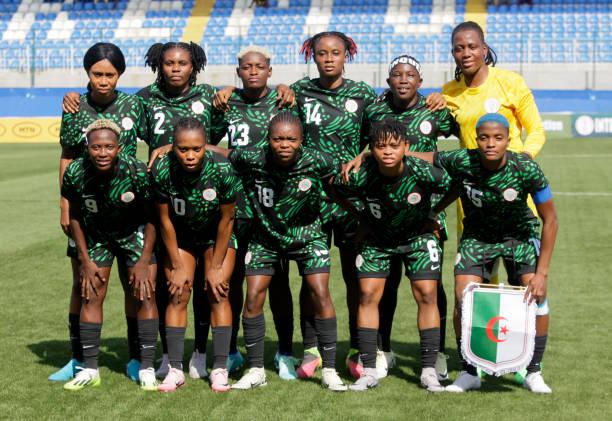
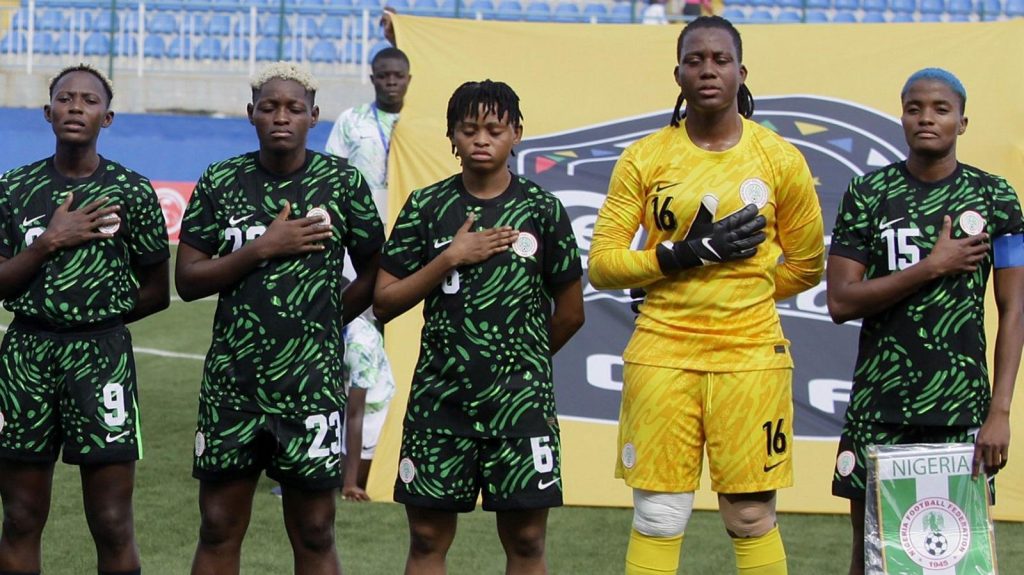
The 10th Title: Glory in Rabat, 2025
And now, in 2025, a decade since their last WAFCON final on Moroccan soil, the Super Falcons returned to Rabat, where redemption awaited. Facing hosts Morocco in front of a raucous home crowd, Nigeria was up against history, heat, and hostile territory.
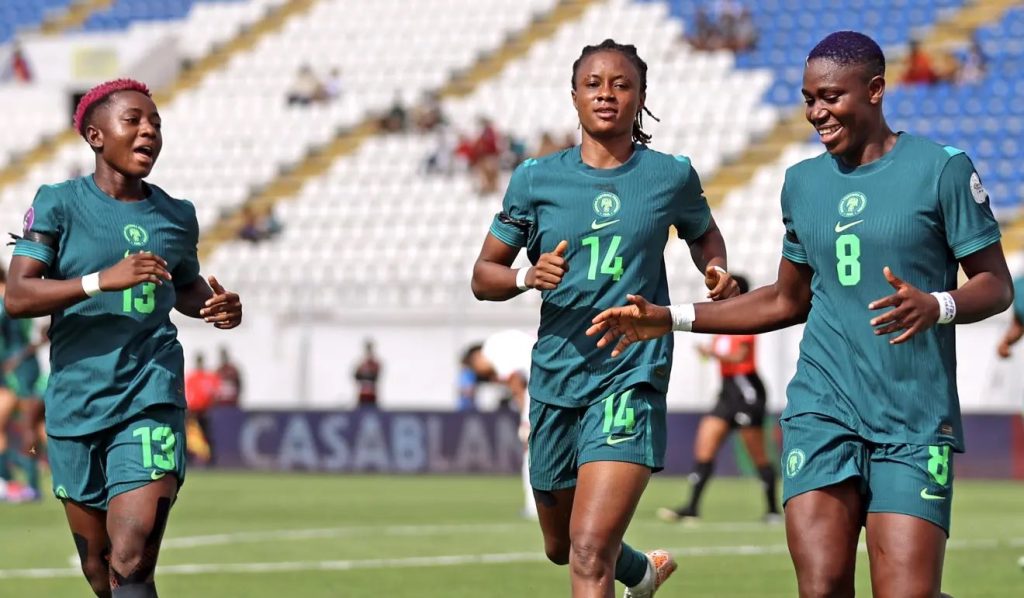
Goals from Asisat Oshoala and Rasheedat Ajibade sealed a 2-1 win, crowning Nigeria champions for the 10th time. Morocco’s consolation goal only delayed the inevitable.
For veterans like Onome Ebi, it was a fitting swansong. For new stars like Deborah Abiodun, it was a coronation. For Nigeria, it was history.
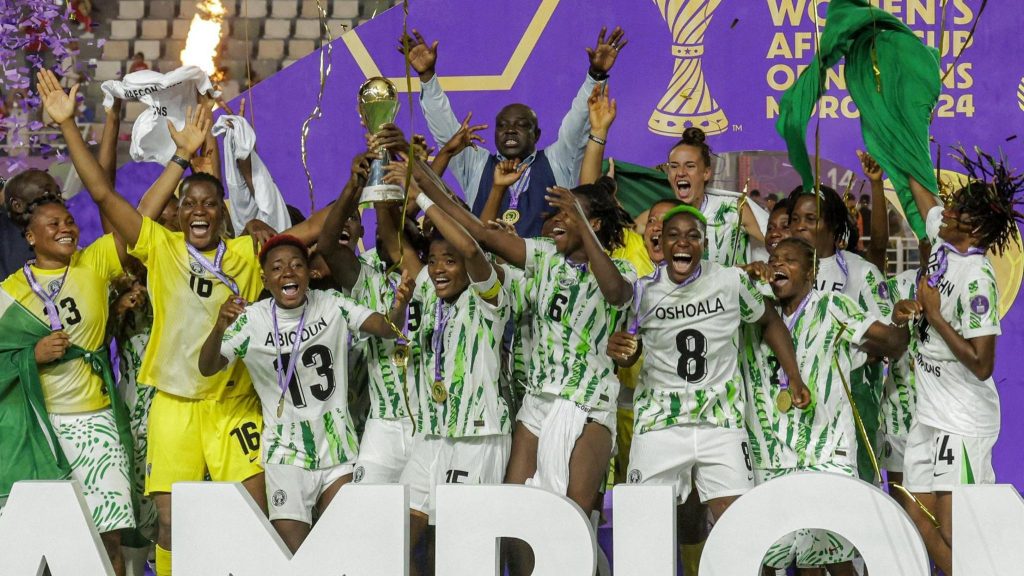
Beyond the Trophy: A Symbol of Strength
From 1991 to 2025, the Super Falcons have not only won titles, but they’ve also inspired generations. They’ve fought underfunding, battled for recognition, and demanded equal treatment. Through it all, they’ve kept winning.
They remain the most successful national women’s football team in Africa, and with 10 titles in 13 tournaments, the Super Falcons are not just champions; they are legends. They are a dynasty.As the green-and-white confetti fell in Rabat, one thing was sure: You can clip wings, but you can’t stop Falcons from flying.
Author: Kangmwa Gofwen
Lagos Bureau Chief, Nigeria
gofwenjoy@gmail.com







You are my breathing in, I possess few blogs and sometimes run out from to brand.