

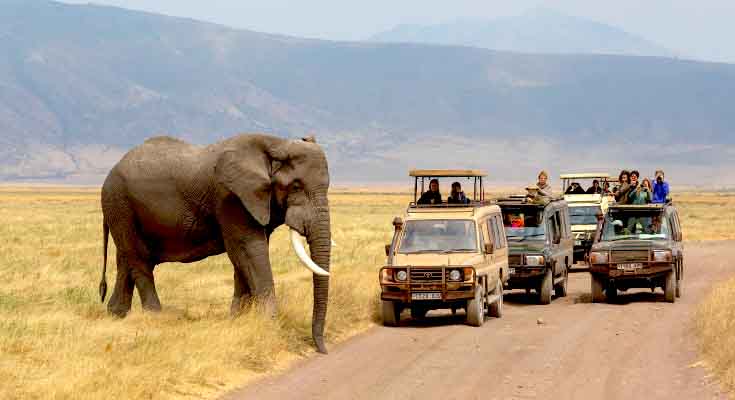
As the world observed World Tourism Day last month, we shone the spotlight on how travel and cultural exchange can foster peace and development. For Africa, the occasion offers more than a chance to attract visitors. It is an invitation to imagine tourism as a unifying force, one that can stitch together a diverse continent and, in the process, promote sovereignty, pride, and independence.
A Continent of Endless Journeys
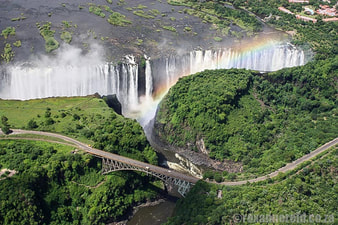
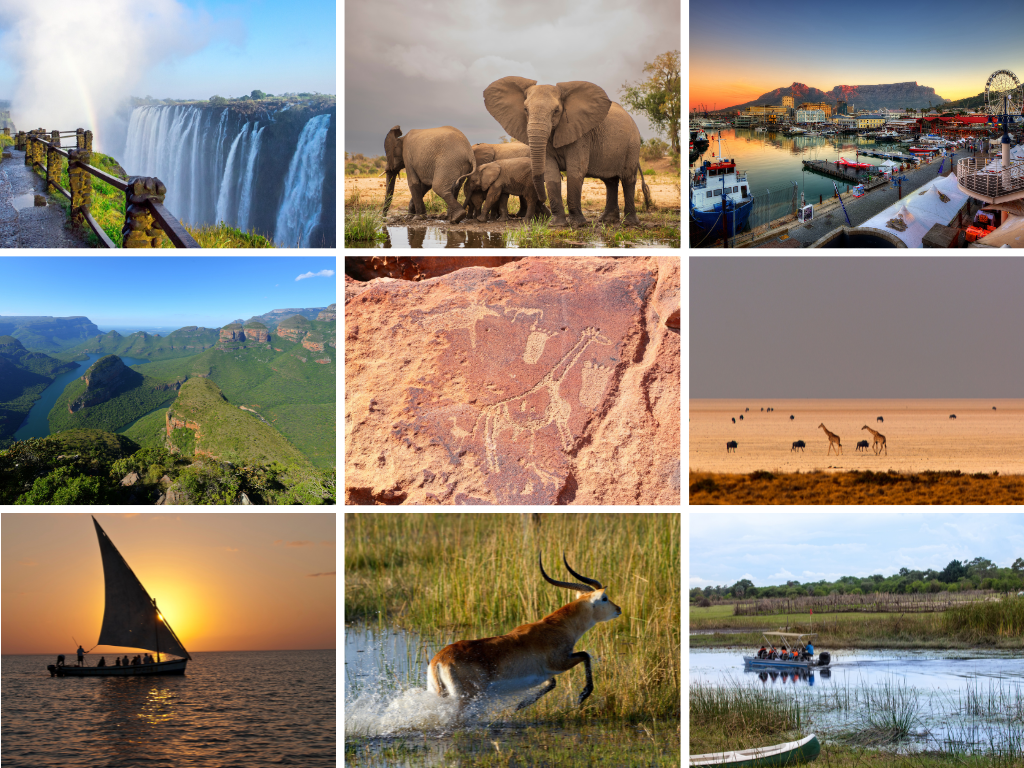
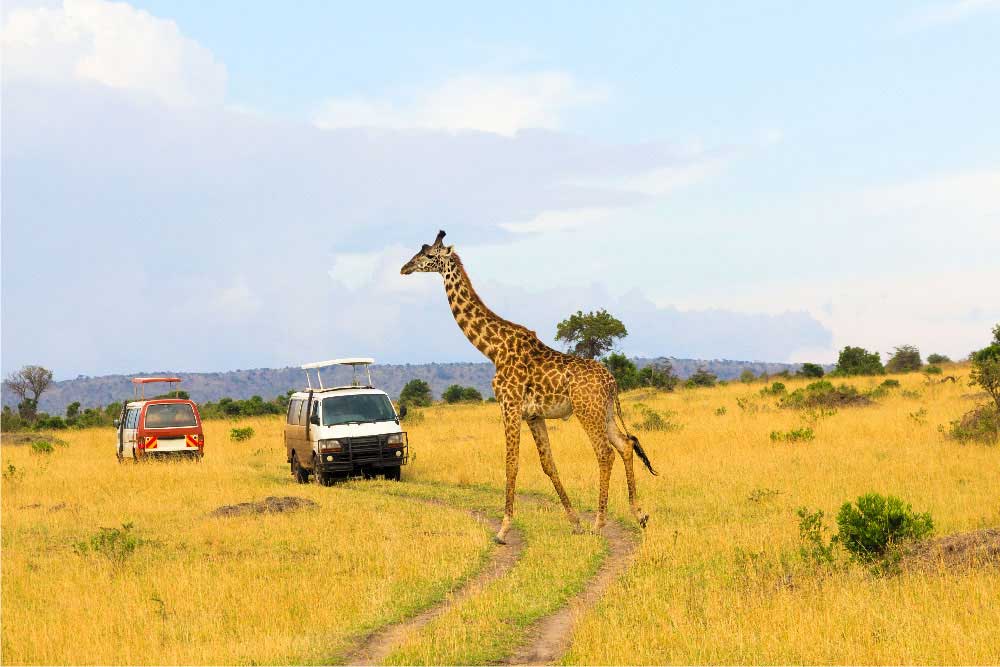
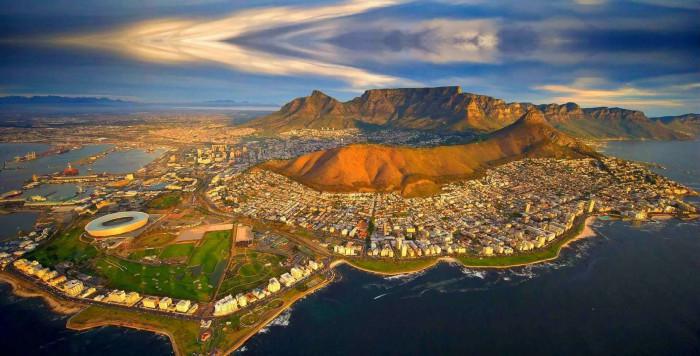
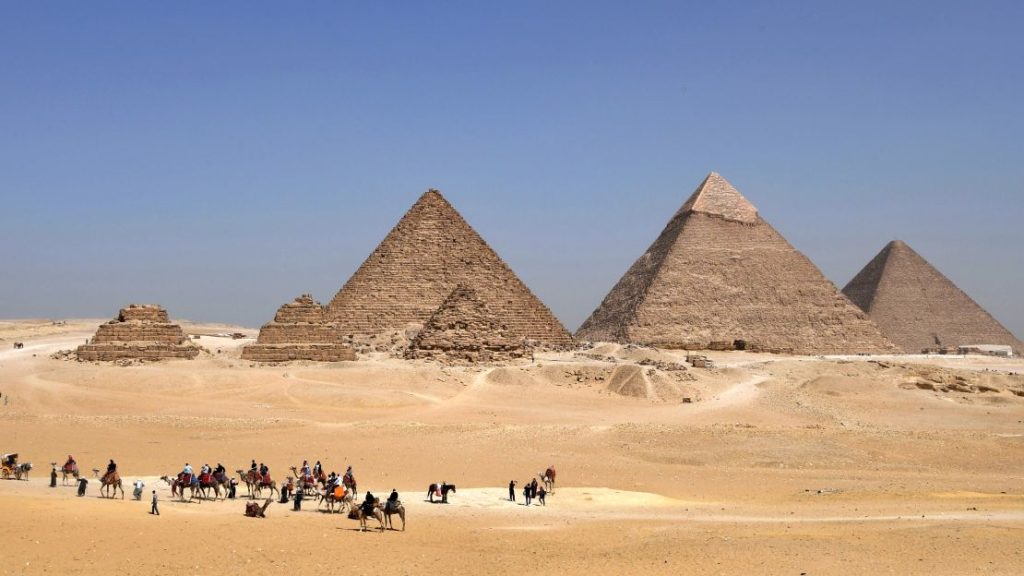
Few regions on earth offer as much variety as Africa. The pyramids of Giza tower over the Nile as reminders of an ancient civilisation. Thousands of kilometres away, Victoria Falls thunders across the Zambia–Zimbabwe border, a natural wonder that humbles even the most seasoned travellers. Morocco’s bustling souks, Kenya’s savannahs, Senegal’s rhythmic dance traditions, and South Africa’s vineyards present a myriad of cultures and landscapes.
And yet, despite this richness, African countries often market themselves in isolation, as though they exist on different continents. For many travellers, visiting Africa means booking a safari in one country, perhaps a desert trek in another, then flying home. What gets lost is the sense of a shared story, a continental journey.
“Africa is not 54 separate destinations. It is one story told in many voices,” says Ghanaian cultural historian Ama Serwaa. “If we treat tourism as a collective project, it can help Africans see ourselves as connected, not divided, and show the world that we are more than the stereotypes handed down by colonial narratives.”

Breaking Barriers, Building Bridges
One of the most practical ways tourism can unify Africa lies in mobility. The African Union’s proposed African Passport, aimed at eliminating visa restrictions across the continent, has been slow to take root. Only a handful of countries currently allow Africans to travel visa-free.
For tourism to truly unite Africa, experts argue that regional corridors must be opened. Imagine a traveller starting in Egypt, tracing the Nile into Sudan, flying to Ethiopia to explore the rock-hewn churches of Lalibela, then continuing south to experience Kenya’s wildlife and Tanzania’s coast, all on a single visa. Such fluidity would not only boost international arrivals but also encourage Africans to travel within Africa themselves.
“Intra-African tourism is the missing piece,” notes Nigerian economist Chukwuma Okoye. “We often think of foreign tourists bringing dollars. But Africans discovering other African countries can build solidarity and keep wealth circulating inside the continent.”
Tourism as Cultural Sovereignty
Beyond economics, tourism plays a vital role in sovereignty. For centuries, Africa’s image abroad has been shaped by outsiders, including colonial administrators, foreign journalists, and international NGOs. Tourism offers Africans the opportunity to share their own stories.
Sites such as Gorée Island in Senegal, a haunting reminder of the transatlantic slave trade, or the Great Zimbabwe ruins, a testament to advanced pre-colonial civilisation, are more than attractions. They are archives of memory and identity. By promoting them, African nations assert control over their history.
“When visitors stand in Timbuktu’s ancient libraries and see manuscripts that predate European colonisation, it changes perceptions,” Malian tour guide Fatoumata Diarra said. “It tells the world and reminds us that Africa has always been a centre of knowledge.”
Promoting indigenous crafts, festivals, and languages through tourism also ensures that heritage is preserved and valued. Every drumbeat, beadwork pattern, or oral story becomes part of a larger sovereignty project, one where Africa defines itself rather than being defined.
The Economics of Independence
Tourism is not just about culture; it is also about survival and growth. Before the COVID-19 pandemic, the sector contributed nearly 9% to Africa’s GDP and employed millions, including safari guides, hotel staff, artisans, and transport operators. The pandemic’s disruption showed both the vulnerabilities and potential of this industry.
If developed collectively, tourism can diversify Africa’s economies, reducing dependence on oil, minerals, and foreign aid. Community-based tourism initiatives, where visitors stay in local homes, learn about farming practices, or participate in cultural festivals, keep profits within the communities. Eco-tourism, when responsibly managed, both protects natural resources and generates income.
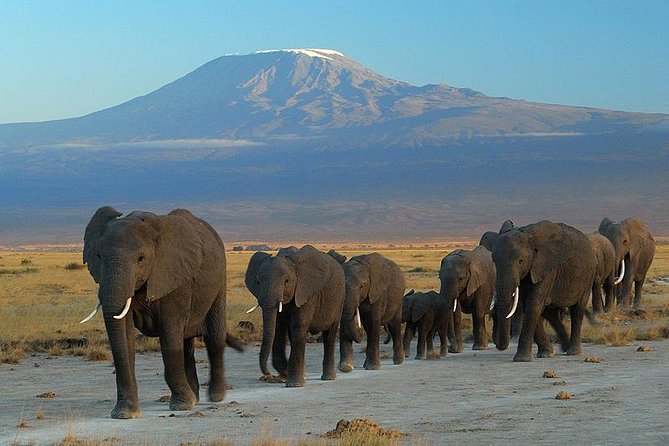
“Africa has long exported raw materials and imported finished goods; tourism flips that,” Okoye added. “We are exporting experiences, stories, and culture, things no one else can manufacture. That builds independence.”
The dream of a united Africa is not a new concept. From the Pan-Africanism of Kwame Nkrumah to the African Union’s Agenda 2063, leaders have long called for integration. Tourism can bring that vision to life in practical, everyday ways.
Imagine an “African Heritage Route” that connects UNESCO World Heritage Sites across the continent. Or an annual “African Cultural Season” where festivals from Dakar to Nairobi to Johannesburg are linked under a common theme, encouraging both domestic and international travel. Airlines could collaborate to make multi-country trips easier and cheaper, rather than forcing travellers to transit through Europe to move between African capitals.
The symbolism would be powerful: Africa presenting itself not as a collection of fragmented states but as a single destination, united by diversity.
Of course, tourism is not without risks. Unchecked mass tourism can damage fragile ecosystems, inflate local economies, and reduce culture to mere spectacle. There is also the danger of overreliance, where countries neglect other industries.
But if managed sustainably, prioritising community ownership, conservation, and fair trade, tourism can avoid these pitfalls. The key is collaboration: governments, private investors, and local communities must work together to strike a balance between profit and protection.
This year’s World Tourism Day offers Africa and its government a choice. It can continue treating tourism as a fragmented, competitive industry, or it can embrace it as a tool for unity and sovereignty. By opening borders, telling its own stories, and investing in inclusive models, the continent can transform tourism into a vehicle for pride and independence.
Author: Kangmwa Gofwen
Lagos Bureau Chief, Nigeria
gofwenjoy@gmail.com