

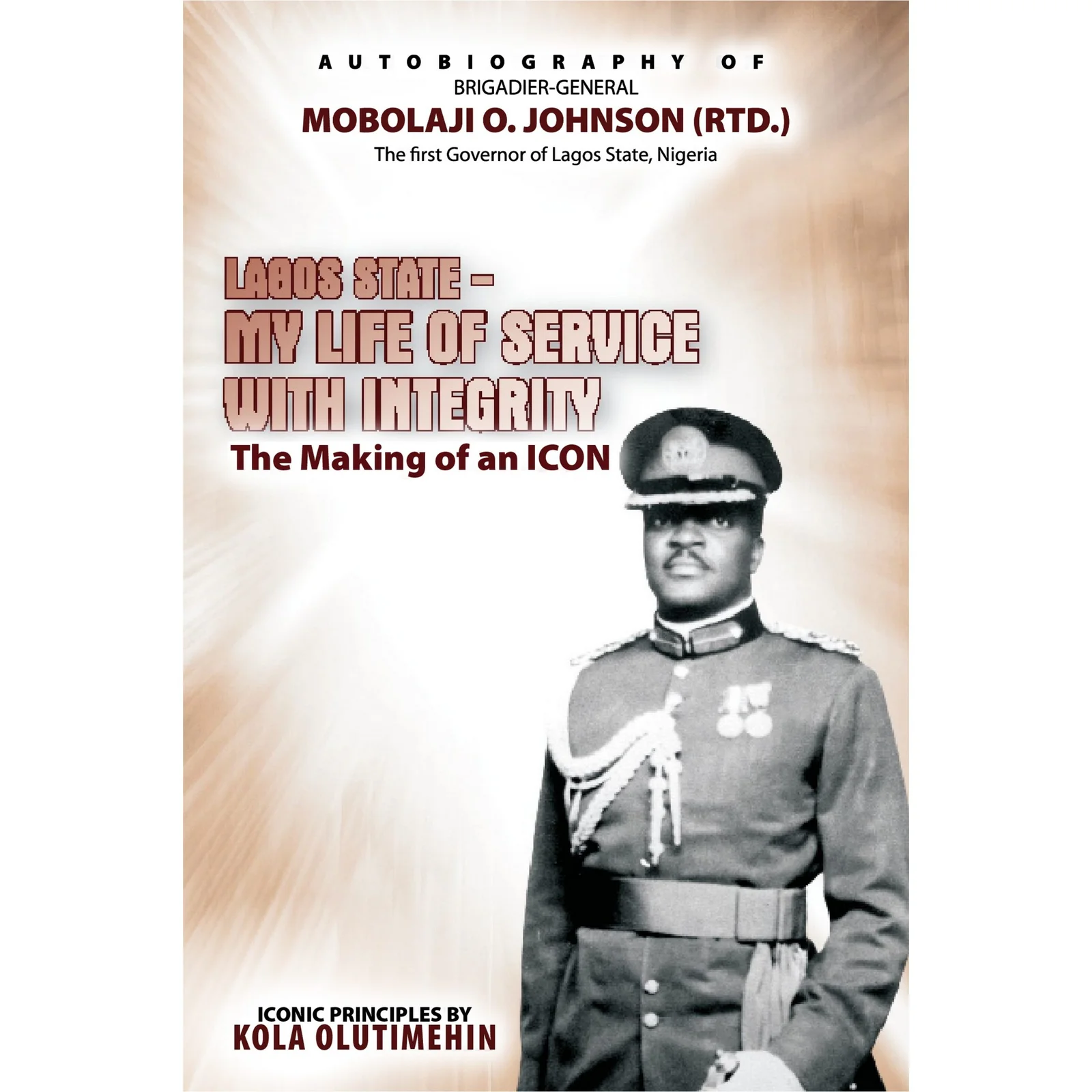
At the launch of his memoir in 2010, Brigadier-General Mobolaji Johnson (rtd.), the first Military Governor of Lagos State, offered a poignant reflection on his years in office and the challenges he faced afterward. Johnson, who governed Lagos from May 28, 1967 to July 1975, recalled that despite holding one of the most powerful administrative positions in the country at the time, he was unable to build a personal home throughout his eight-year tenure.
Speaking at the event — which was also attended by the founder of Ethnic African Stories — Johnson recounted how he was ordered to vacate Lagos House, the Governor’s official residence, within 24 hours following the July 29, 1975 coup led by General Murtala Mohammed. With no home to move into, he said he was left stranded until friends and associates, including German construction firm Julius Berger, came to his aid.
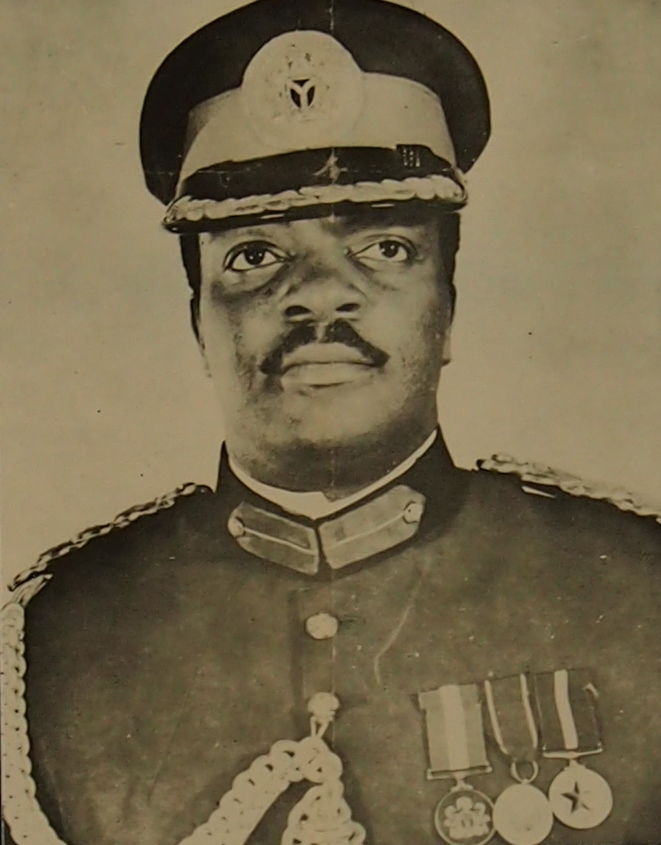
He narrated:
“Many people may not know that when the coup happened in 1975, I had nowhere to move to when we were asked to leave our residence within a week. I had no house of my own for my wife, Funmi, and our children.
The night the curfew was lifted, I drove to see the head of Julius Berger Nigeria to plead that the house I now live in — which was being built on contractor-finance — be released to me so I could pay later. With tears in his eyes, he told me, ‘Bolaji, you’ve been a good man. I cannot allow you to be treated shabbily.’ They moved their workers out and gave me the house.”
Johnson spoke of how, during the evacuation of Lagos House, agencies he had established distanced themselves from him. According to him, it was only his Principal Secretary, Adeyemi Bero, and Julius Berger staff who helped him move his belongings.
The former governor also reflected on some of the adversities he endured long after leaving office — including a near-fatal car accident in 1981 on the Lagos-Ibadan Expressway, the death of his brother in 1987, a stroke in 2003, and a fire that gutted his home in 1990. He credited Julius Berger repeatedly for coming to his rescue in moments of crisis.
“I have been a lucky man,” he said, emphasizing the role of providence in his life. “You could be hardworking, you could be anything you want to be, but I believe in elements of luck. If you have it, things go your way.”

Johnson also shared two guiding principles he embraced in later life:
- “Life is a passing phase and I have resolved to enjoy the rest of my existence with my wife.”
- “I will continue to assist Nigerian leaders whenever they seek my counsel, because my only wish is to see Nigeria take its rightful place among the comity of nations.”
His reflections are documented in his autobiography, My Life of Service With Integrity, a 250-page work comprising 12 chapters.Mobolaji Johnson passed away on October 30, 2019.

Author: Gbenga Teejay Okunlola
London, UK
teejayok@gmail.com