
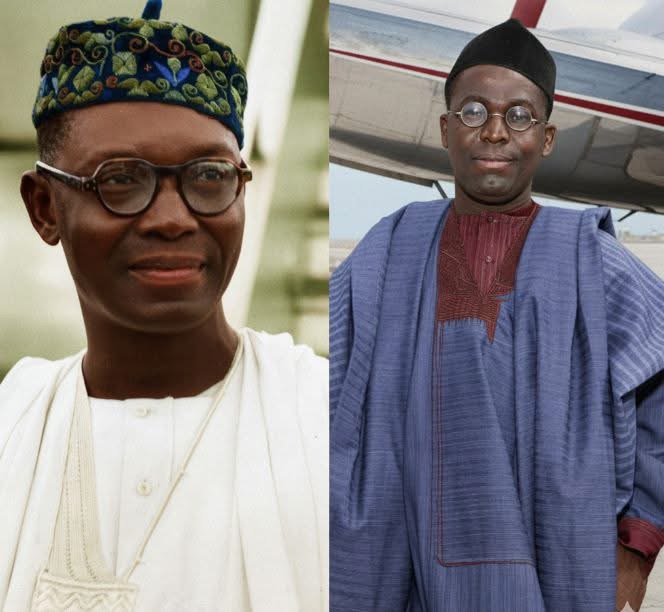
Historically, Nnamdi Azikiwe is widely regarded as the more extensively educated of Nigeria’s early nationalist leaders. However, emerging assessments suggest that while Azikiwe’s influence was deeply symbolic and inspirational, Obafemi Awolowo’s contributions produced more enduring, tangible impacts on the lives of ordinary citizens.
Education
Both men were considered exceptionally educated for their time,but Azikiwe’s academic record stands out for its breadth and international scope.
Nnamdi Azikiwe
Nnamdi Azikiwe—popularly known as Zik—possessed one of the most formidable academic portfolios of any African leader of his generation. His studies spanned several U.S. institutions and fields:
- Early studies at Storer College
- Undergraduate work at Howard University
- Bachelor’s degree in Political Science from Lincoln University
- Master’s degrees from Lincoln University (M.A.) and the University of Pennsylvania (M.Sc. in Anthropology / M.A. in Philosophy)
- Significant coursework toward a doctorate, though he did not complete the PhD
- Brief experience as a lecturer in the United States before returning to Nigeria
Obafemi Awolowo
Awolowo’s education,though narrower in scope, was equally distinguished and deeply influential in shaping his ideological outlook:
- Bachelor of Commerce, University of London (external programme)
- LL.B in Law, University of London
- Called to the Bar at the Inner Temple, London
- Multiple honorary degrees in later life
- Renowned for his prolific writings and policy-driven intellectualism rather than a long list of formal degrees
In summary, Azikiwe accumulated more academic qualifications across a wider range of disciplines, while Awolowo—highly intelligent and analytically rigorous—pursued a more specialized academic path.
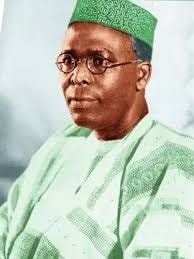
Impact on Citizens
Both leaders left significant legacies, but their impacts differed in scope and character. Azikiwe inspired national consciousness and unity, whereas Awolowo implemented concrete policies that reshaped socioeconomic life.
Nnamdi Azikiwe
- Galvanised political awareness across Nigeria through his newspaper platforms
- Became a powerful symbol of nationalism and unity during the independence movement
- Served as Nigeria’s first President, cementing his stature as a national figurehead
- Played a notable role in expanding higher education, including influencing the establishment of the University of Nigeria, Nsukka
Obafemi Awolowo
- Championed social welfare, economic planning, and good governance
- Introduced the free primary education programme in the Western Region—one of the most transformative policies in Nigeria’s history
- Advanced social welfare concepts and modern public administration
- Established Africa’s first television station and promoted regional industrial growth
- Laid intellectual foundations for Nigerian federalism and welfare-oriented economics, ideas that continue to influence contemporary political discourse
Credit: Ethnic African Stories