


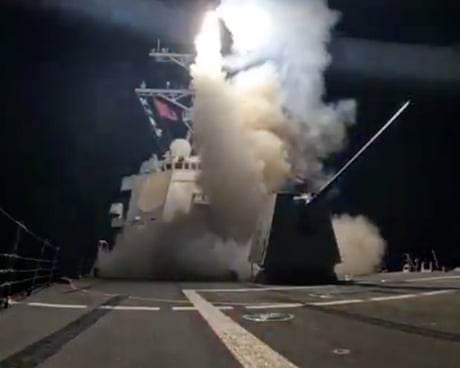
In a controversial Christmas-Day military action, the United States conducted airstrikes in Sokoto State in northwest Nigeria on December 25, 2025, igniting widespread criticism and raising profound questions about sovereignty, strategy, and regional stability.
In a statement on his Truth social media, U.S. President Donald Trump announced that American forces had struck “Islamic State” and allied militant camps in Nigeria, justifying the operation as necessary to protect vulnerable communities, particularly Christians reportedly targeted by extremist violence. The U.S. Africa Command described the mission as coordinated with Nigerian authorities and aimed at degrading terrorist capabilities.
However, the strikes have been met not with unanimous relief but with alarm and scepticism across Nigerian civil society, political circles, and local observers.
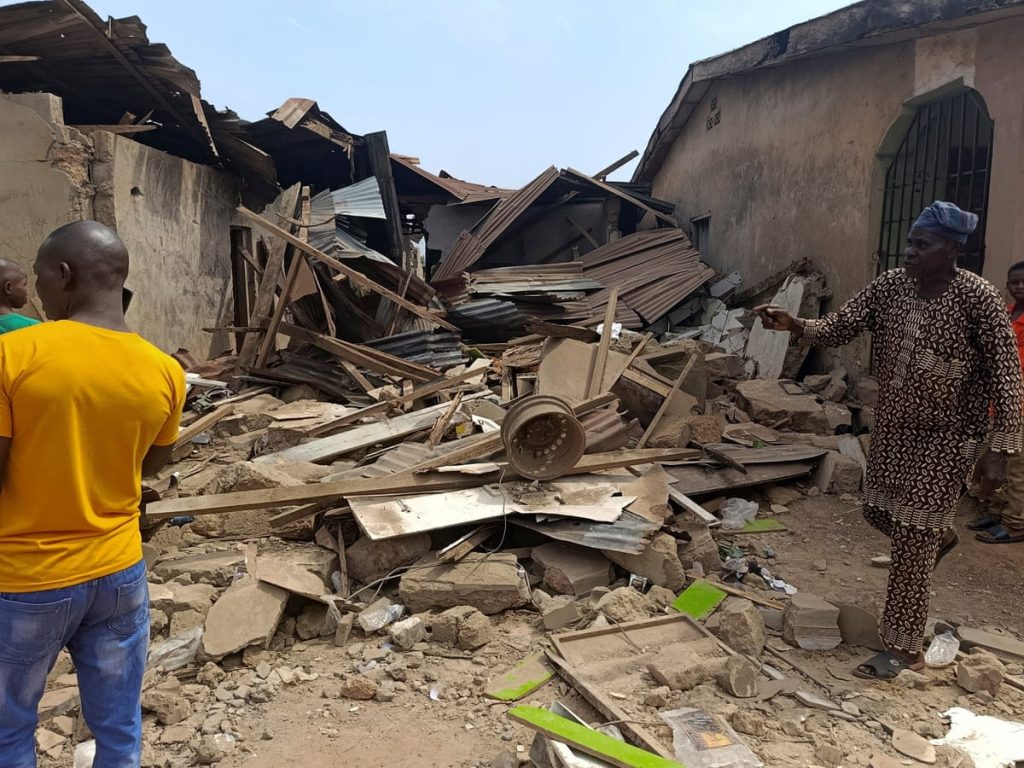
Many argue that no matter the stated intent, foreign military strikes on Nigerian soil, especially without transparent public scrutiny, represent an erosion of Nigeria’s sovereignty. A coalition of more than 80 Nigerian civil society organisations has called for independent investigations and compensation for affected communities, underlining deep anxiety about civilian harm and accountability.
Even Nigerian voices within the Christian community have expressed mixed reactions, questioning Washington’s framing of the operation along religious lines and urging a broader understanding of the complex security landscape.
Analysts have criticised the timing and choice of targets, noting that Sokoto is not widely recognised as a primary ISIS stronghold. Some security experts and residents say the areas hit have seen banditry and criminal violence, but lack clear evidence of sustained Islamic State activity, casting doubt on official U.S. intelligence claims and the rationale for such a strike.
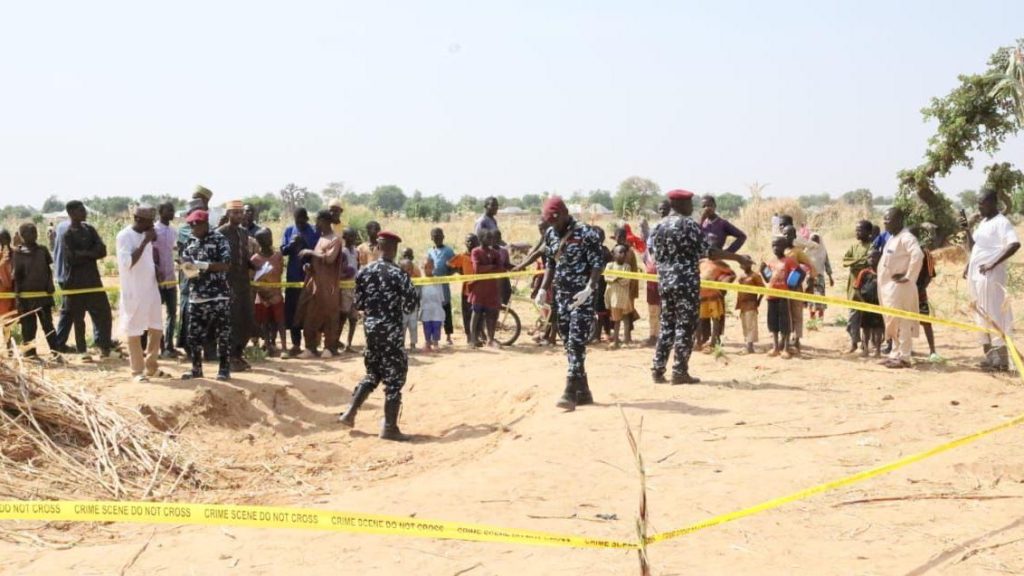
A PBS analysis even suggests the operation may have been more of a political signal than a military necessity, raising questions about whether the strikes were strategically meaningful or simply symbolic.
Though Sokoto State officials have denied confirmed civilian casualties, the strikes terrified residents, with blasts “shaking whole towns” and reports of debris falling in nearby communities. Local testimonies suggest many villagers were unaware of any insurgent presence in the strike zones, deepening concerns about the precision and intelligence behind the action.
This atmosphere of fear underscores a broader unease: a population still grappling with decades of insecurity now faces sudden foreign military intervention on its soil. The Nigerian government has publicly described the operation as conducted with its consent, emphasising ongoing cooperation in counterterrorism efforts. Yet many Nigerians remain unconvinced, worried that allowing foreign strikes sets a dangerous precedent.
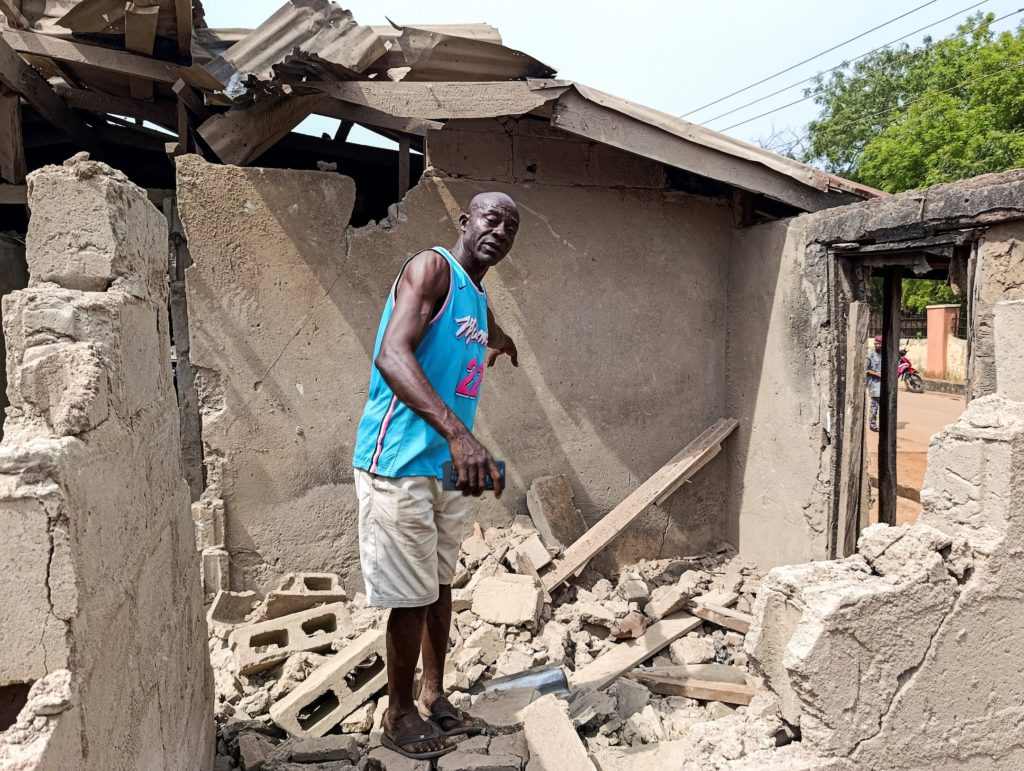
Critics fear this might invite deeper military involvement or undermine trust in Nigeria’s own defence capabilities. Economically, while the finance ministry has tried to reassure investors that the move will not destabilise markets, the political costs may be far greater, potentially fuelling anti-foreign sentiment and complicating Nigeria’s diplomatic balance.
Though the strike was framed as a blow against terrorism, it marks a pivotal moment in the U.S.–Nigeria relations: one where national sovereignty, accountability, and strategic clarity outweigh the declared objectives of counterterrorism.

Author: Joy Gofwen
Lagos, Bureau Chief,
Nigeria



